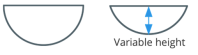
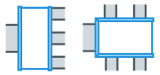
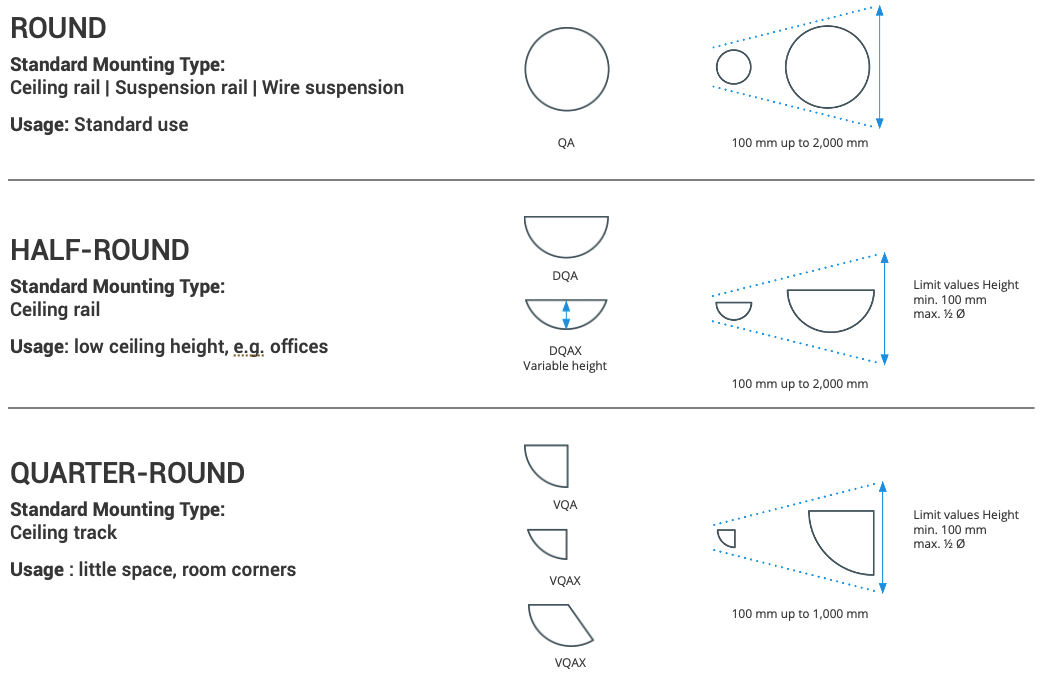
We don’t provide you with standard solutions – because we know that every project is unique. Our textile air distribution systems are individually tailored to your application and manufactured to customer specifications. To give you an orientation, you will find an initial overview of shapes, framework parameters and installation options here.
The final design of your textile duct is in the experienced hands of our team. Simply provide us with the key data for your application – we will take care of everything else. With our expertise, we ensure that your textile distribution system fits perfectly and that your expectations are fully met. You can rely on our experience and our commitment to quality.
SHEET METAL TO TEXTILE AIR DUCT BACK TO SHEET METAL
Textile air distribution systems offer the flexibility to design practically any transition.
Transitions can also be created between textile air ducts.
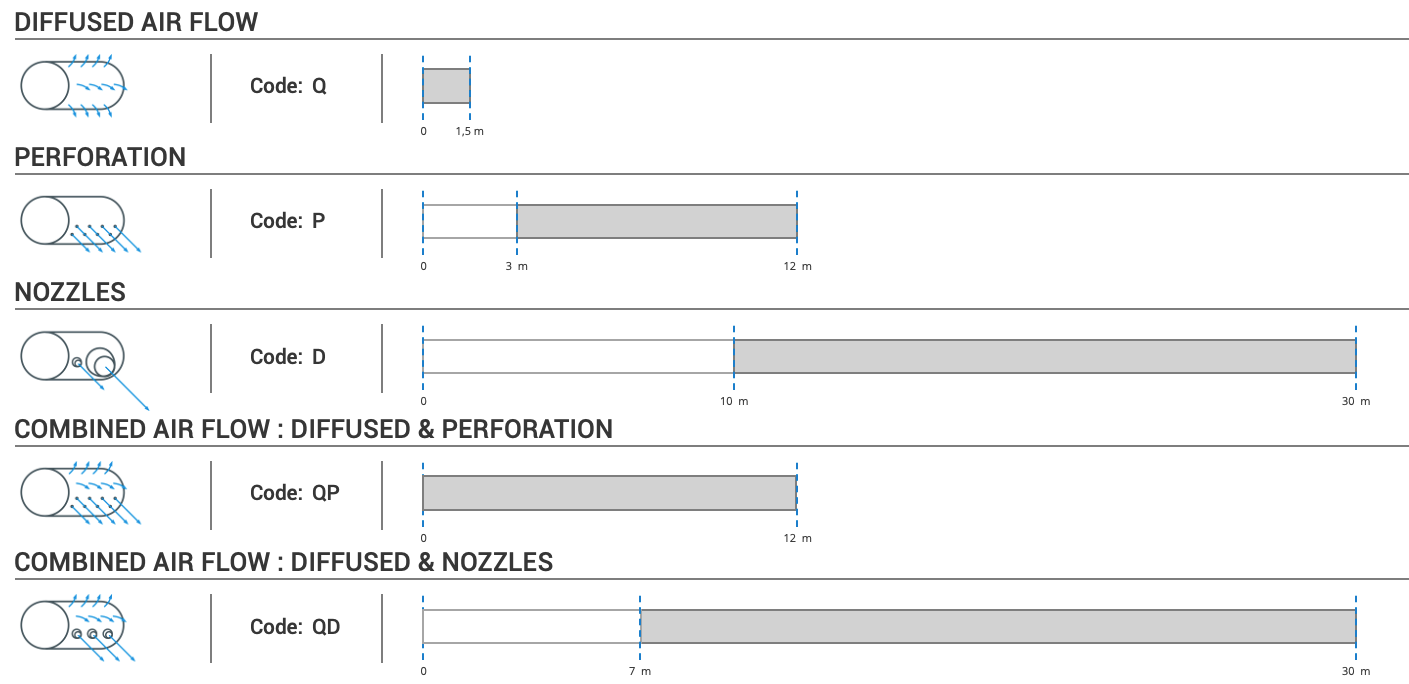
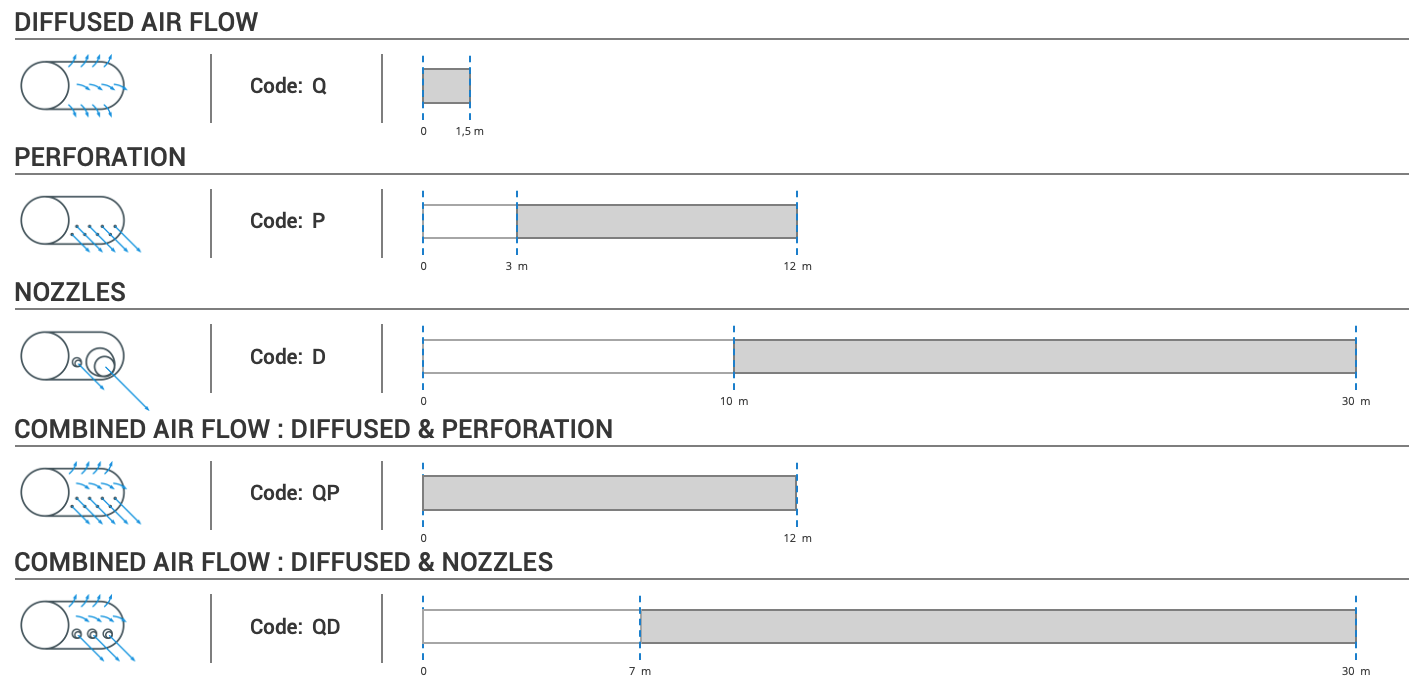
Air flow & throw distances
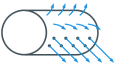
DIFFUSED AIR FLOW
FABRIC SURFACE
7 Permeabilities (weave types for permeability)
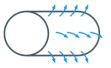
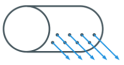
DIRECTIONAL OUTLET
PERFORATION
Laser perforation
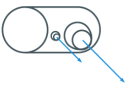
NOZZLES
Plastic nozzles /
Textile nozzles
COMBINED AIR FLOW
FABRIC DIFFUSION & DIRECTIONAL
Combination of diffusion – perforation – nozzles
Throwing distances
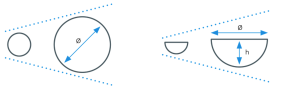
THROWING DISTANCES & PENETRATION DEPTHS
DIFFUSED AIR FLOW
Air diffusion over the entire fabric surface with low outlet velocities.
Directional outlet
Targeted air distribution with higher speed and greater range.
Combined air ducting
Application-optimized air distribution through a combination of fabric diffusion and directional air flow.
Targeted air distribution
Depending on the application and local conditions, the air distribution and air flow can be individually adjusted. By arranging and combining different outlet types in one duct, air flows can be generated precisely to supply the area with draught-free conditioned air.
At Kienzler Textile Ventilation, we weave sustainability and quality into the heart of our fabrics. Our company philosophy is reflected in environmentally conscious production and durable materials. Trust in textiles that reflect our responsibility towards the environment and our customers.
Our choice of colors as well as the application of a logo by means of laser, textile printing or embroidery enable individual design. For example, the clear duct marking facilitates identification during maintenance.
DYEING OF OUR FABRICS Our fabrics are dyed according to OEKO-TEX® STANDARD 100 in Germany.
LABELING All marking by laser, print or embroidery is carried out directly in our company.
TEXTILE
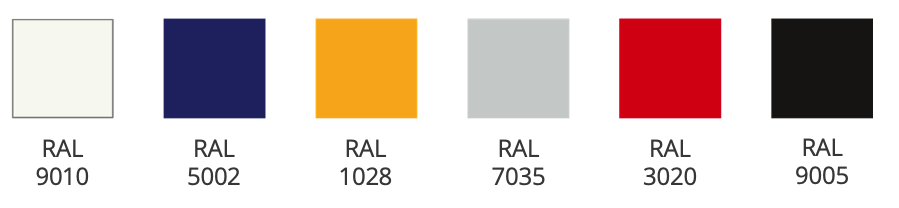
Standard: 6 RAL colors +
Customized color on request
RAILS
Powder coating in any RAL color
IDENTIFICATION
Laser
Logo
– Favorable variant
– No choice of color
– Legibility per duct color
Sections for easy Assembly | Maintenance | Washing
THROWING DISTANCES & PENETRATION DEPTHS
IDEALLY ADAPTED TO THE APPLICATION
DIFFUSED AIR FLOW Different permeabilities (0 - 3,000 m3/h per m2)
PERFORATION Hole sizes 0.4 - 20 mm
NOZZLES Plastic 12 / 18 / 20 mm 48 mm ball nozzle 30° Textile from 80 mm
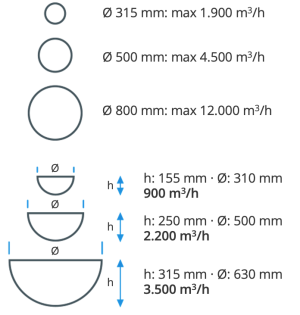
DIAMETER & AIR VOLUME
A sense of size and dimension
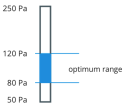
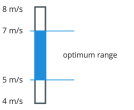
COMMON EXAMPLE SIZES We don't provide you with standard solutions - because we know that every project is unique. Our textile air ducts are individually tailored to your application and manufactured to customer specifications. To give you an initial orientation, here are a few examples of common air volumes and the resulting diameters for an ideal air inlet velocity of between 5 - 7 m/s.
YOUR PROJECT IN SAFE HANDS The final design of your textile air distribution system is in the experienced hands of our team. Simply provide us with the key data for your application - we will take care of everything else. With our expertise, we ensure that your textile ducts fits perfectly and that your expectations are fully met. You can rely on our precision and our commitment to quality.
KIENZLER QUALITY STANDARD
300 g/m2 fabric weight
Cleanroom quality
Clean room according to DIN EN ISO 14644 / ISO 4
Fire protection (fiber-integrated)
Solid organophosphorus compound in the fiber
– B-s1, d0
– flame retardant
– Does not continue to burn independently
– does not drip while burning
7 Permeabilities (weave types for permeability)
7 different material permeabilities and special classes are available to cover all applications and air volumes
Custom-made products
Adaptation of the fabric to individual
Customer requirements possible
THE HIGH STANDARD IN THE MANUFACTURE OF OUR PRODUCTS GUARANTEES
DURABILITY
TEAR RESISTANCE
POLLUTANT-FREE
SUSTAINABILITY
DID YOU KNOW ... EVERYTHING IS ALREADY INTEGRATED IN THE STANDARD FABRIC!
Do you have special requirements for the fabric?
Kienzler has ONE quality standard fabric – and it contains everything: 300g/m2fabric weight and therefore extremely durable – FIRE PROTECTION – CLEAN ROOM QUALITY
RELAXED PLANNING WITH KIENZLER AIR DISTRIBUTION SYSTEMS
Inquiry form
Washing service - Professional from the manufacturer
OUR WASHING SERVICE
Professional preparation
Quick and thorough cleaning
all makes
Free inspection for damage
Free repair of minor damage
Return of the textile hoses
COST OVERVIEW
Diameter <900 mm - Washing flat rate: 75€ per 100kg or part thereof - Price per kg per contamination - light: 8€ - strong: 12€
Diameter >900 mm - Washing flat rate: 115€ per 100kg or part thereof - Price per kg per contamination - light: 11€ - strong: 15€
Shipping costs - per 30kg package:*: 25€
Optional by arrangement: - Collection costs per standard parcel*: €25 - Service & repair per hour**: 62,50€
Textile air ducts from Kienzler Textile Ventilation stand for efficiency and customer specificity. With an average production time of just 14 days, they are manufactured individually for each customer order. This rapid production enables us to respond promptly to specific requirements and deliver customized solutions. Daily dispatch via parcel service providers ensures prompt delivery directly to the place of use.
Textile air ducts offer a further time-saving advantage during installation: thanks to various installation methods, they can always be installed in a work-optimized and therefore time-saving manner. Whether on cable systems, with suspended tracks or directly on the ceiling – installation is uncomplicated and can be flexibly adapted to the local conditions. This efficiency in installation not only shortens the installation time, but also enables rapid commissioning, which results in considerable time savings over the course of the project.
DIE BESSERE ALTERNATIVE ZU BLECH
Hohe Kosteneinsparung durch Textile Luftschläuche
In der modernen Lüftungs- und Klimatechnik stehen Effizienz und Wirtschaftlichkeit an vorderster Stelle. Textile Luftschläuche bieten hier einen erheblichen Kostenvorteil gegenüber traditionellen Blechkanälen. Der erste und offensichtlichste Punkt ist die Installation: Textile Luftschläuche sind deutlich leichter als ihre Pendants aus Metall, was die Handhabung vereinfacht und die Installationskosten signifikant reduziert. Es wird weniger Personal benötigt, und die Montage kann schneller durchgeführt werden, da aufwendige Konstruktionen zur Unterstützung der schweren Blechkanäle entfallen.
Darüber hinaus sind textile Luftschläuche in der Anschaffung preisgünstiger als Blechkanäle. Die Herstellung von Textilmaterialien ist kosteneffizienter als die Verarbeitung von Metall, und der Transport der leichteren Materialien schlägt ebenfalls weniger zu Buche. Auch die Flexibilität spielt eine Rolle: Textile Systeme lassen sich einfacher an unterschiedliche räumliche Gegebenheiten anpassen, was bei starren Blechkanälen oft zu zusätzlichen Kosten für Maßanfertigungen führt.
Ein weiterer finanzieller Aspekt ist der geringere Energieverbrauch. Textile Luftschläuche können die Luft gleichmäßiger und mit weniger Widerstand verteilen, was den Bedarf an Ventilatorleistung reduziert und somit Energiekosten spart. Die verbesserte Luftzirkulation trägt zudem zu einem angenehmeren Raumklima bei, was indirekt zu einer Steigerung der Produktivität führen kann.
Schließlich sind auch die Wartungs- und Reinigungskosten bei textilen Luftschläuchen niedriger. Sie sind einfacher zu reinigen und bei Bedarf schneller auszutauschen als Blechkanäle. Dies spart langfristig nicht nur Kosten, sondern auch Zeit.
Zusammengefasst bieten textile Luftschläuche eine Reihe von Kostenvorteilen: von niedrigeren Installations- und Materialkosten über Energieeffizienz bis hin zu geringeren Wartungsaufwendungen. Diese Vorteile machen sie zu einer attraktiven Alternative in der Luftverteilungstechnik und einem Schlüsselelement für Unternehmen, die ihre Betriebskosten optimieren möchten.